
7/ Redrawn Topographies
Human and Wild Imprints on the Land
See also 7a/ Works on Paper
With their map-like views, these paintings employ an abstract language for communicating the dissonance between natural patterns and human infrastructure. Inspired by living in the Rocky Mountain West, I contemplate the primordial force of migrating animals and their challenges. Subdivisions, street grids, agricultural fields, wind turbines, highways, fences, power lines, and other manmade interventions—expressed through the rectilinear patterning in the paintings—are increasingly disrupting the ancient routes of wild movement. Not just a Western reality, this is a planetary concern.
In Redrawn Topographies, contrasting systems of mark making intersect randomly, at times conflicting with each other. Drawing and redrawing abstracted and imagined wildlife trails, I explore varieties of mark making and texture to indicate direction, dispersal, and regrouping. While creating these works, I envision how human development and natural forces might coexist in harmonious ecosystems. Restoring and maintaining habitat connectivity (via conservation easements, roadway crossings, and fence modifications) provides real hope that the visual patterns on the land might long continue to reveal a thriving, rhythmic flow of wildlife.Learn more
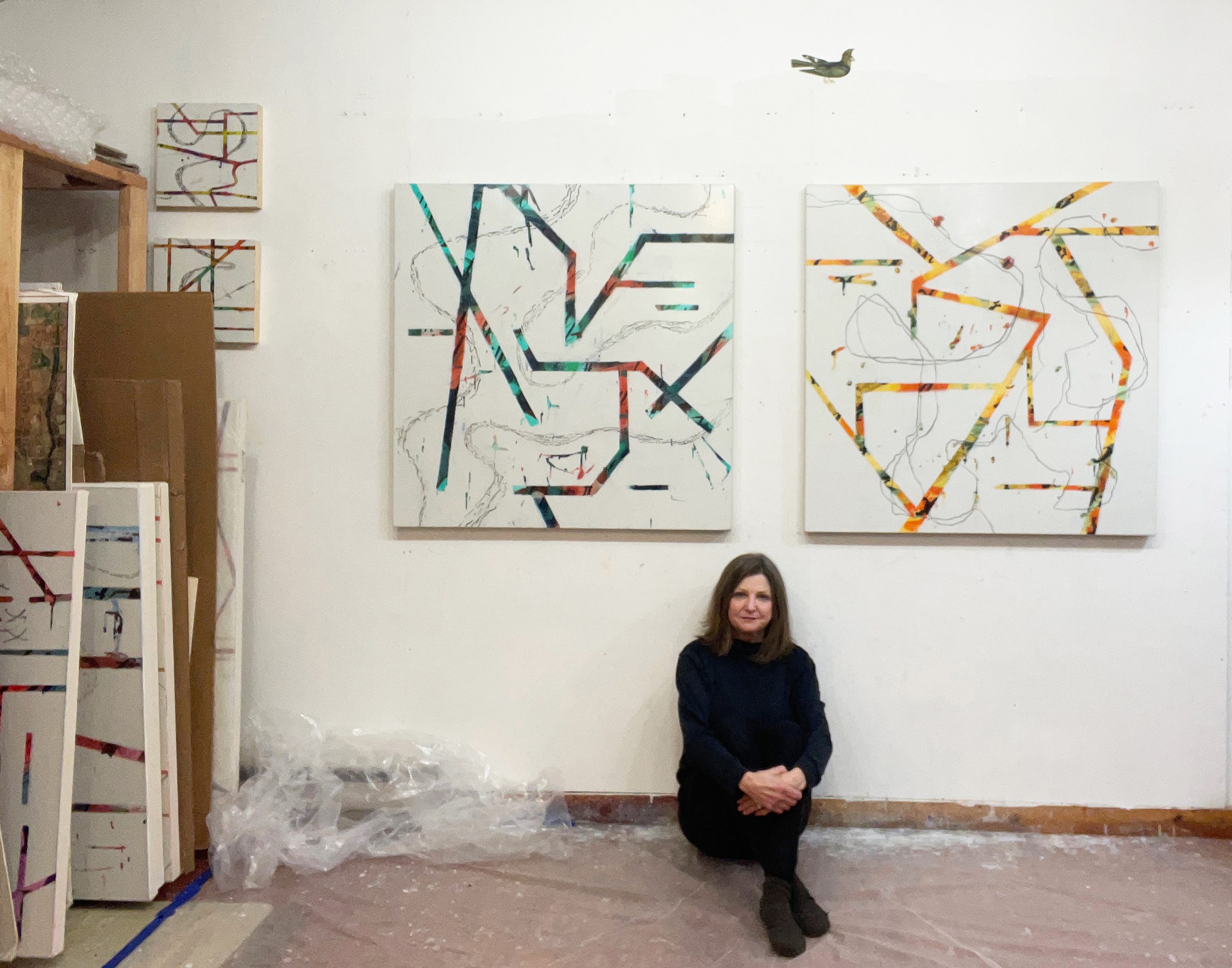
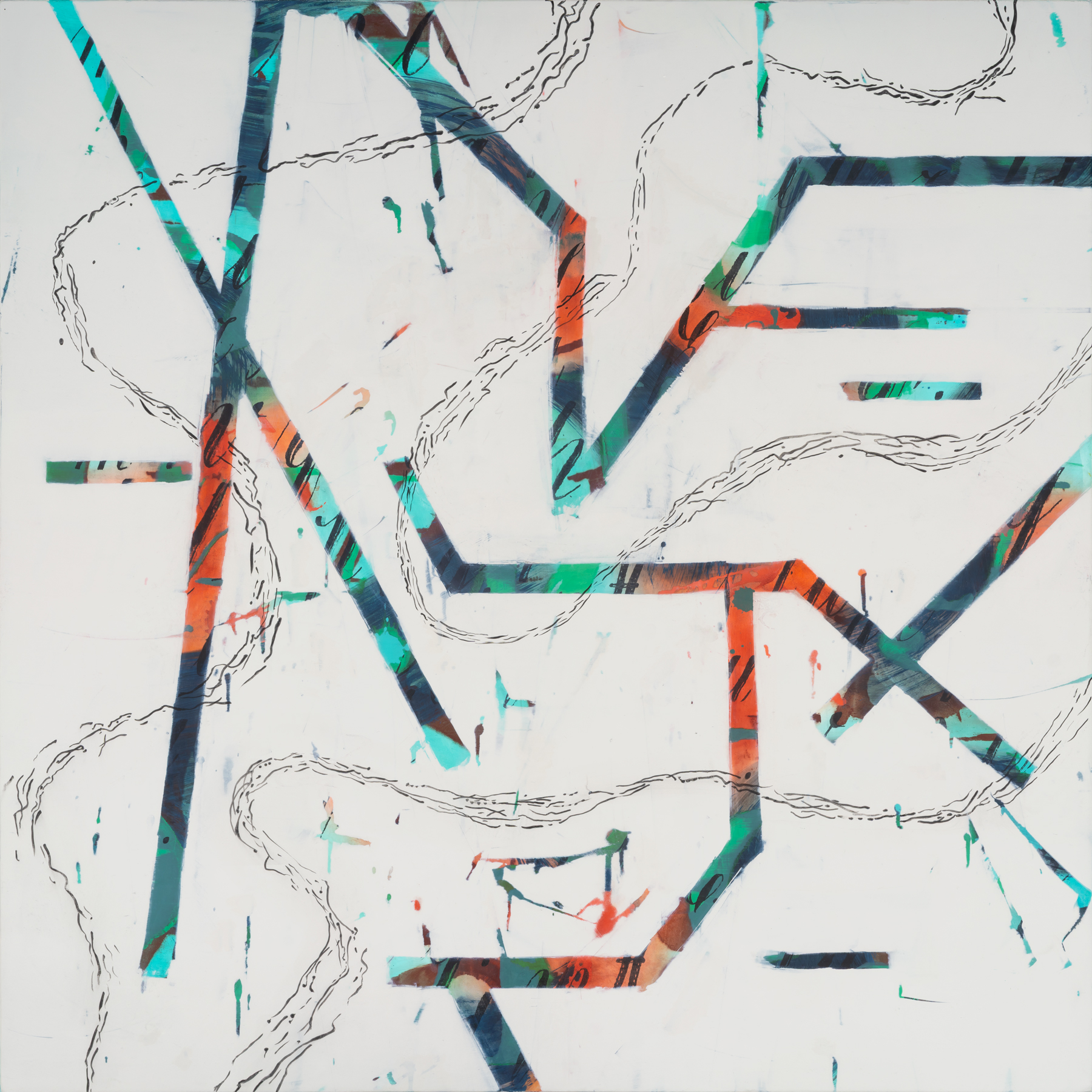
Forest Management, 40 x 40 inches
2025, oil on canvas. Private collection.
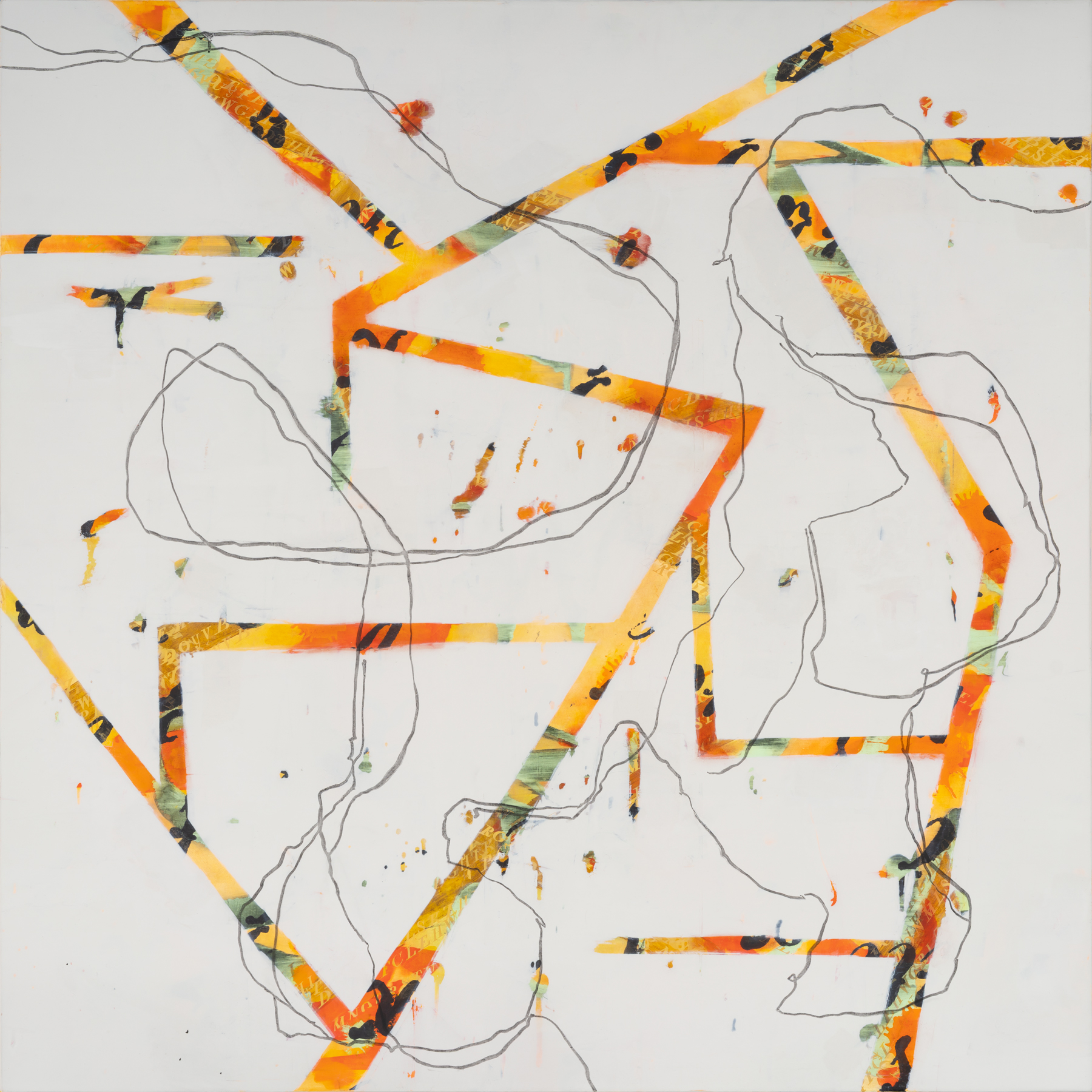
The Rites of Autumn, 40 x 40 inches
2025, oil on canvas
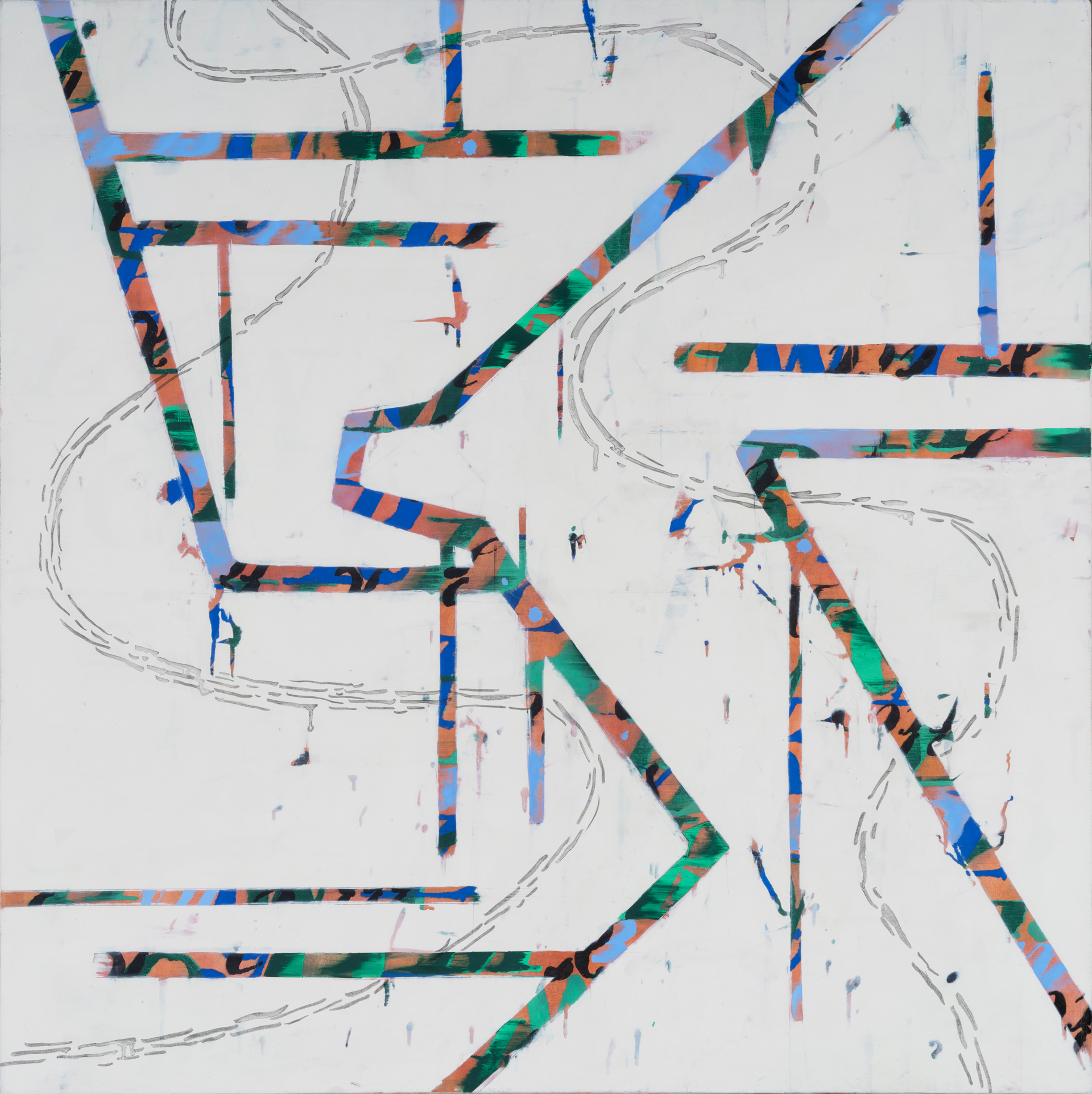
Circuits Seen and Unseen, 40 x 40 inches
2025, oil on canvas
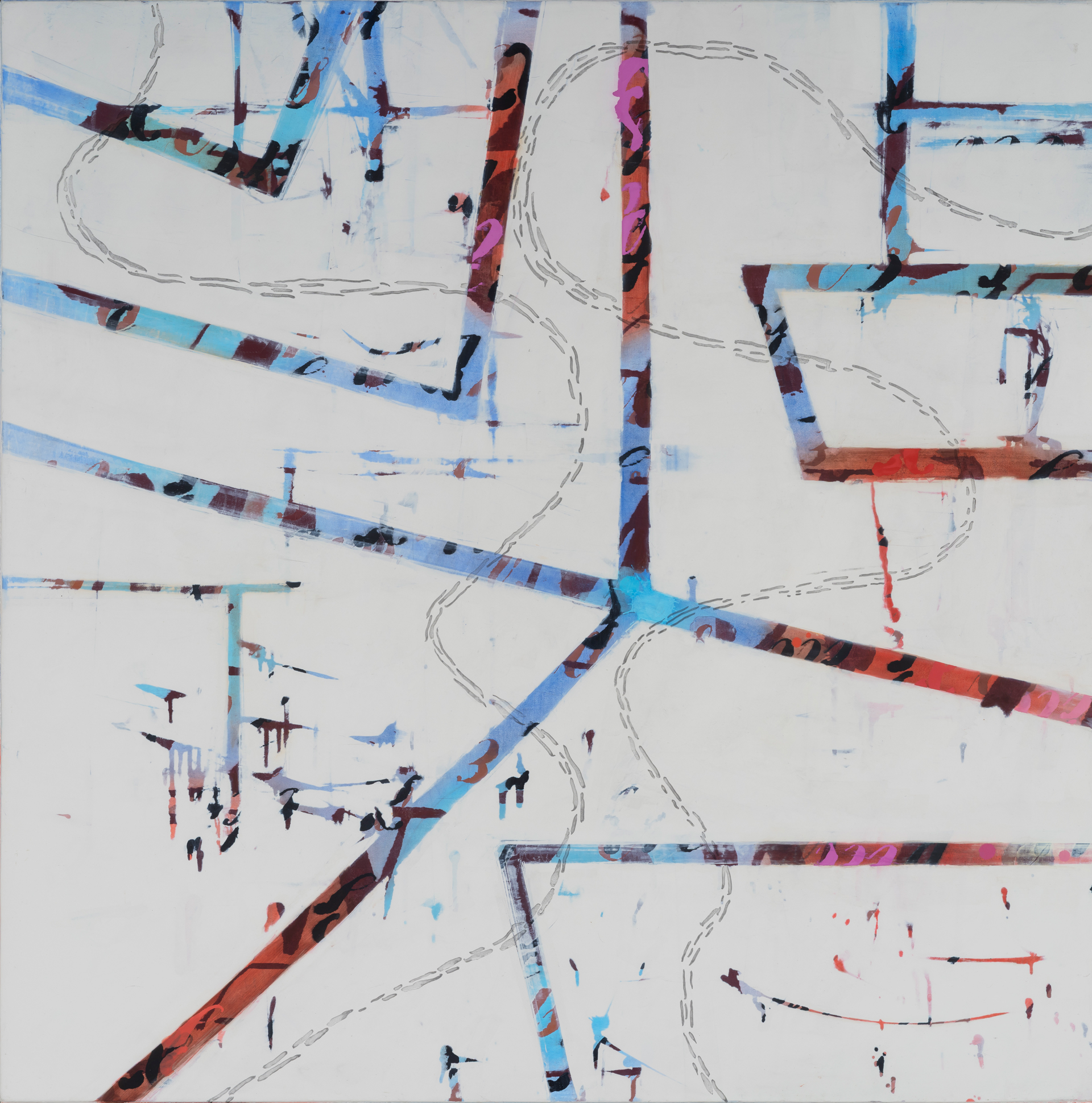
Ghost Trails, 40 x 40 inches
2025, oil on canvas
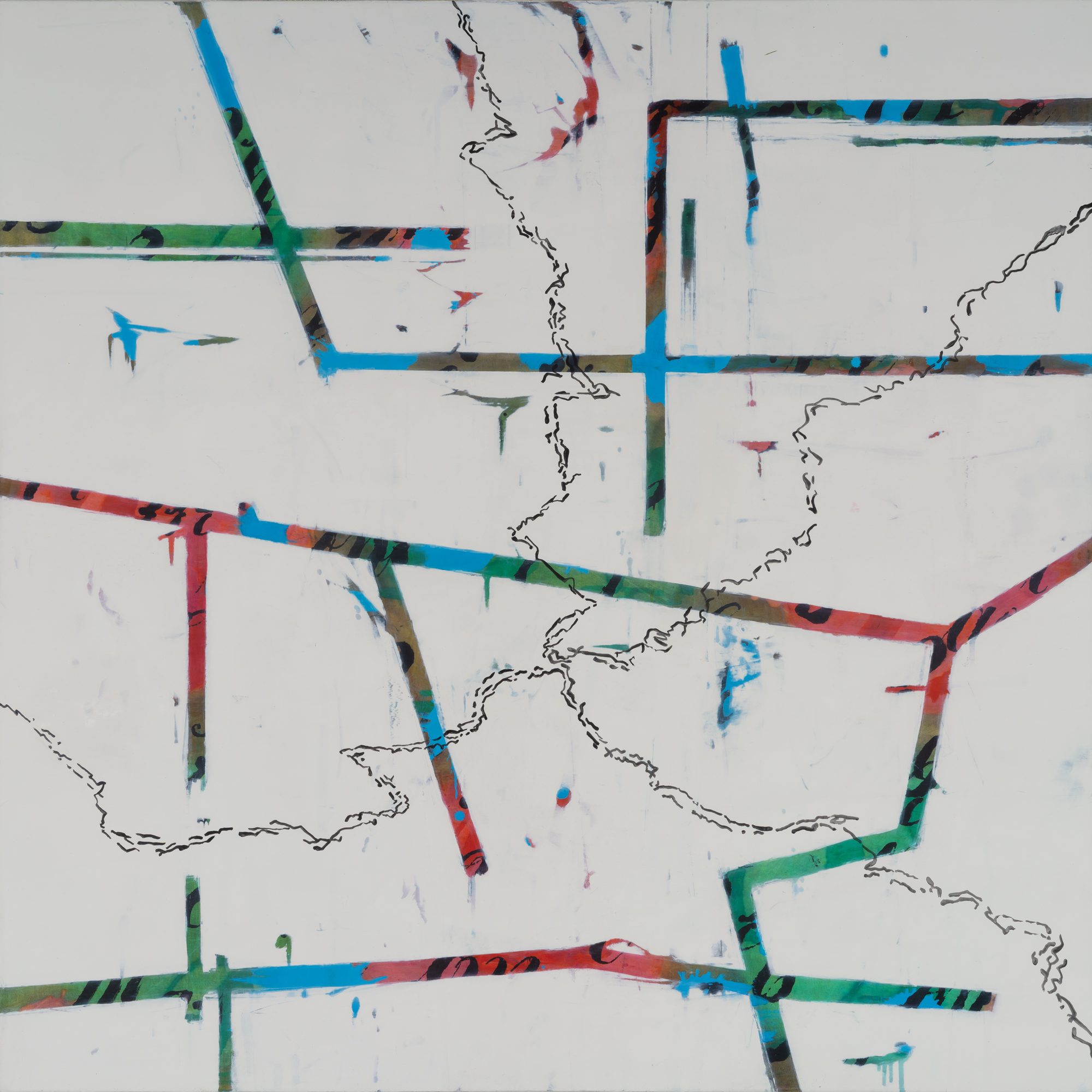
Sub Rosa, 40 x 40 inches
2025, oil on canvas
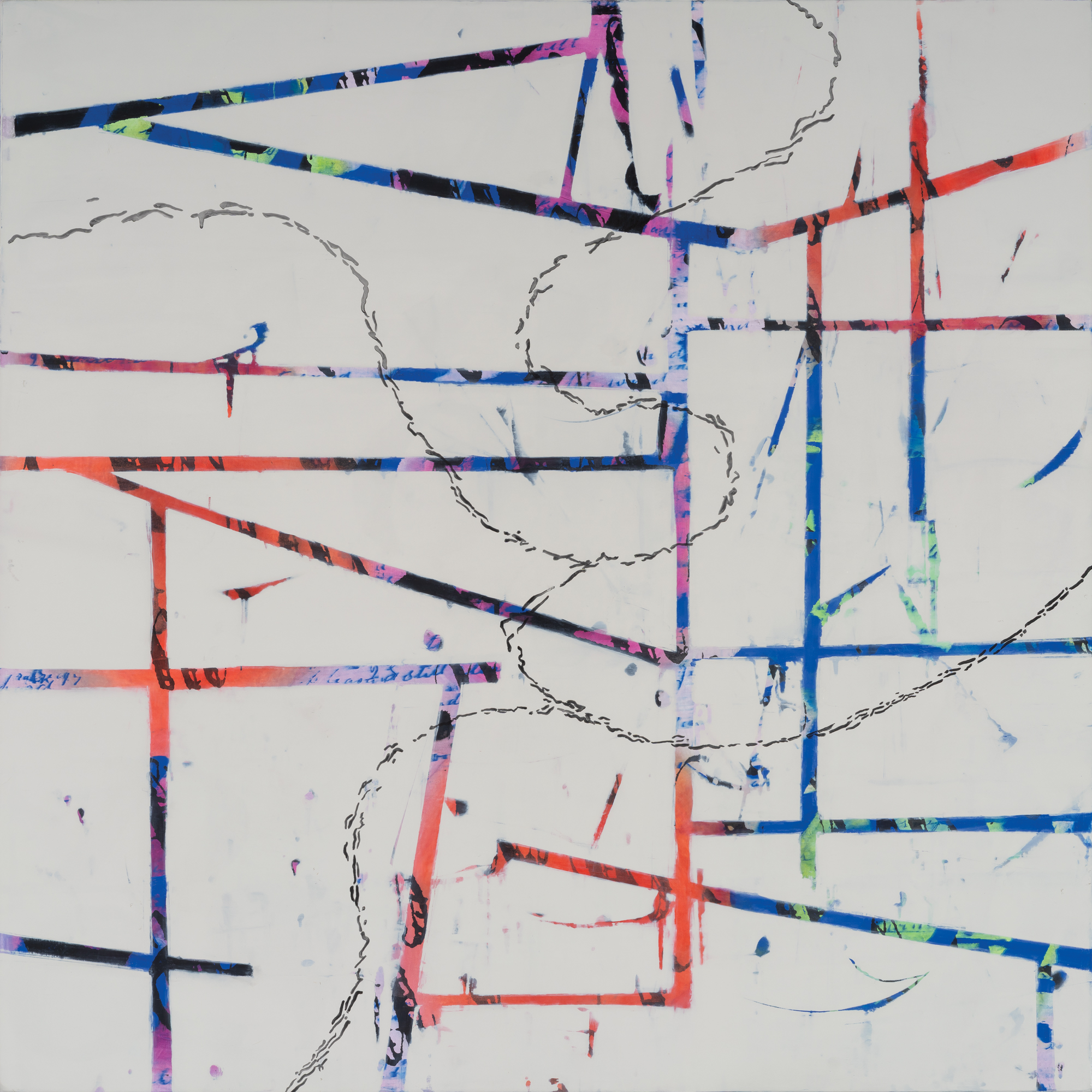
Fugitive Passage, 40 x 40 inches
2025, oil on canvas
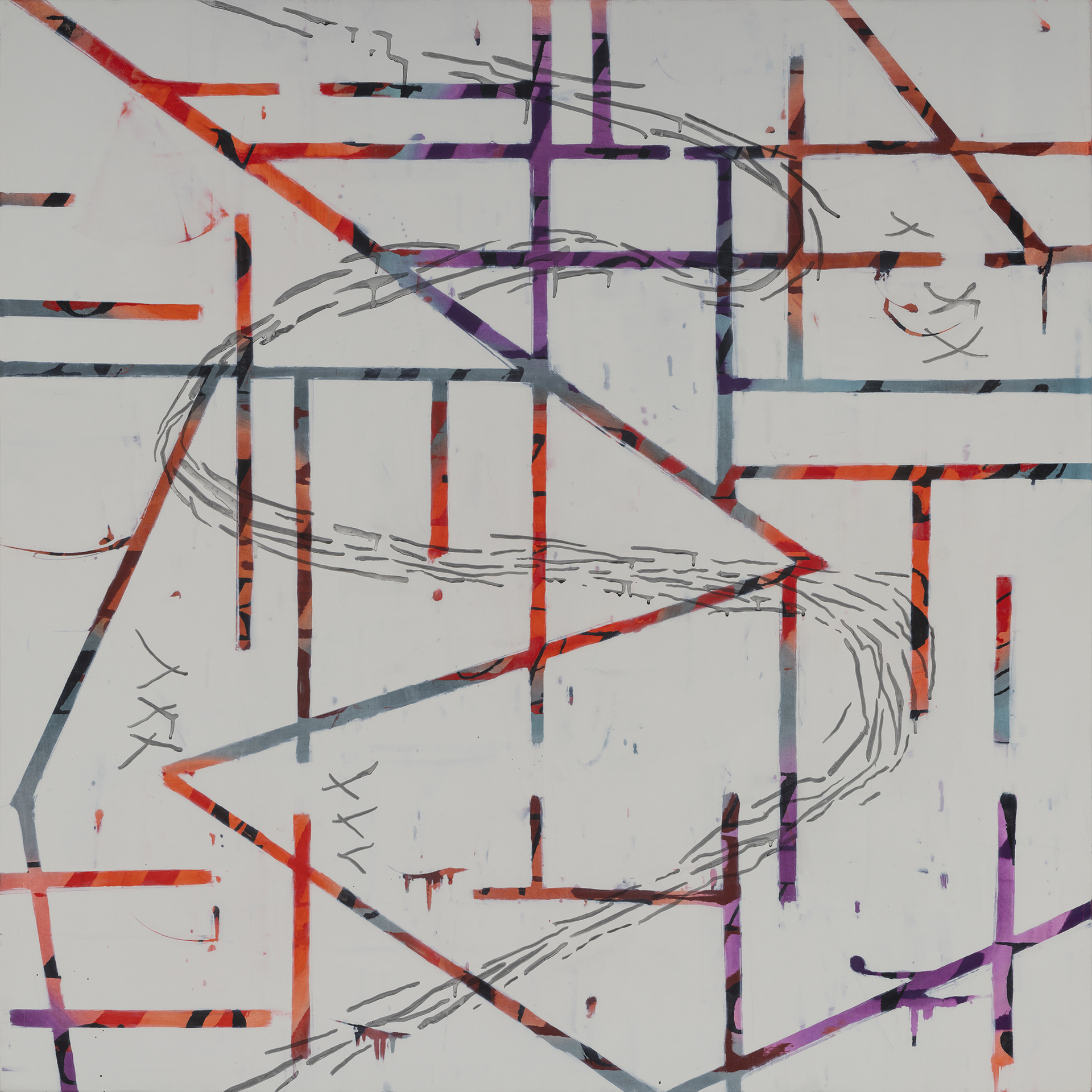
Equinox, 40 x 40 inches
2024, oil on canvas
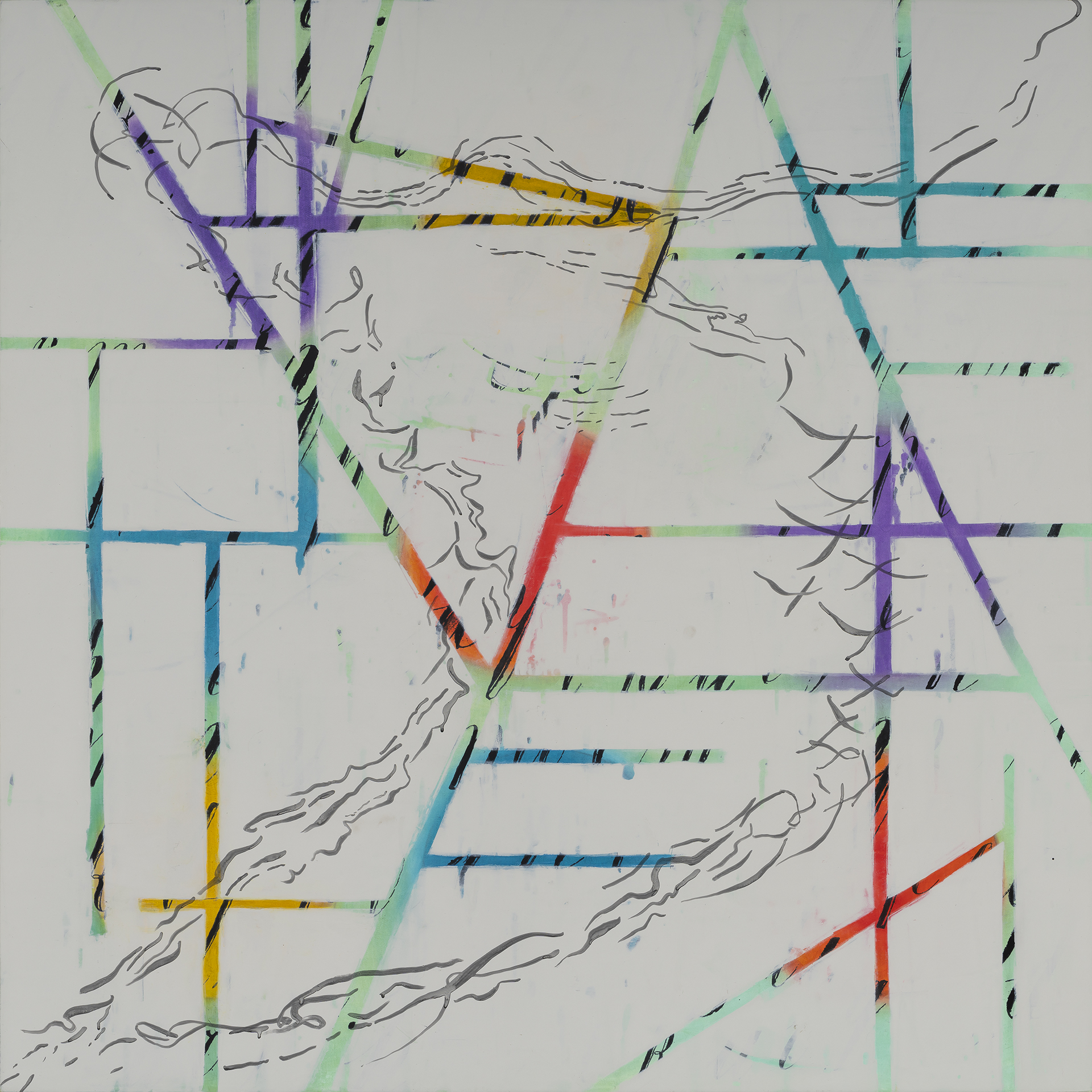
Alternating Currents, 40 x 40 inches
2024, oil on canvas
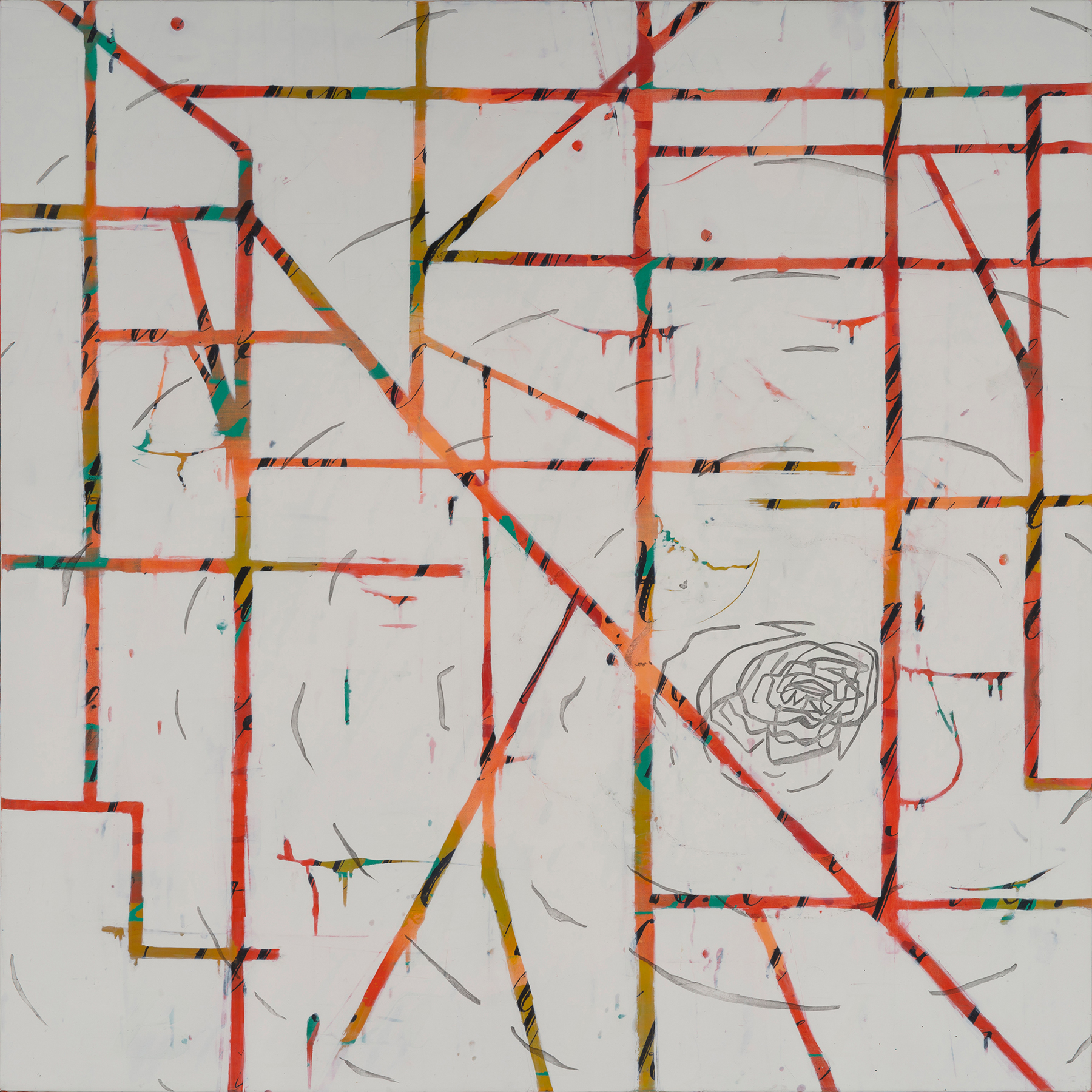
Nucleus of the Herd, 40 x 40 inches
2024, oil on canvas
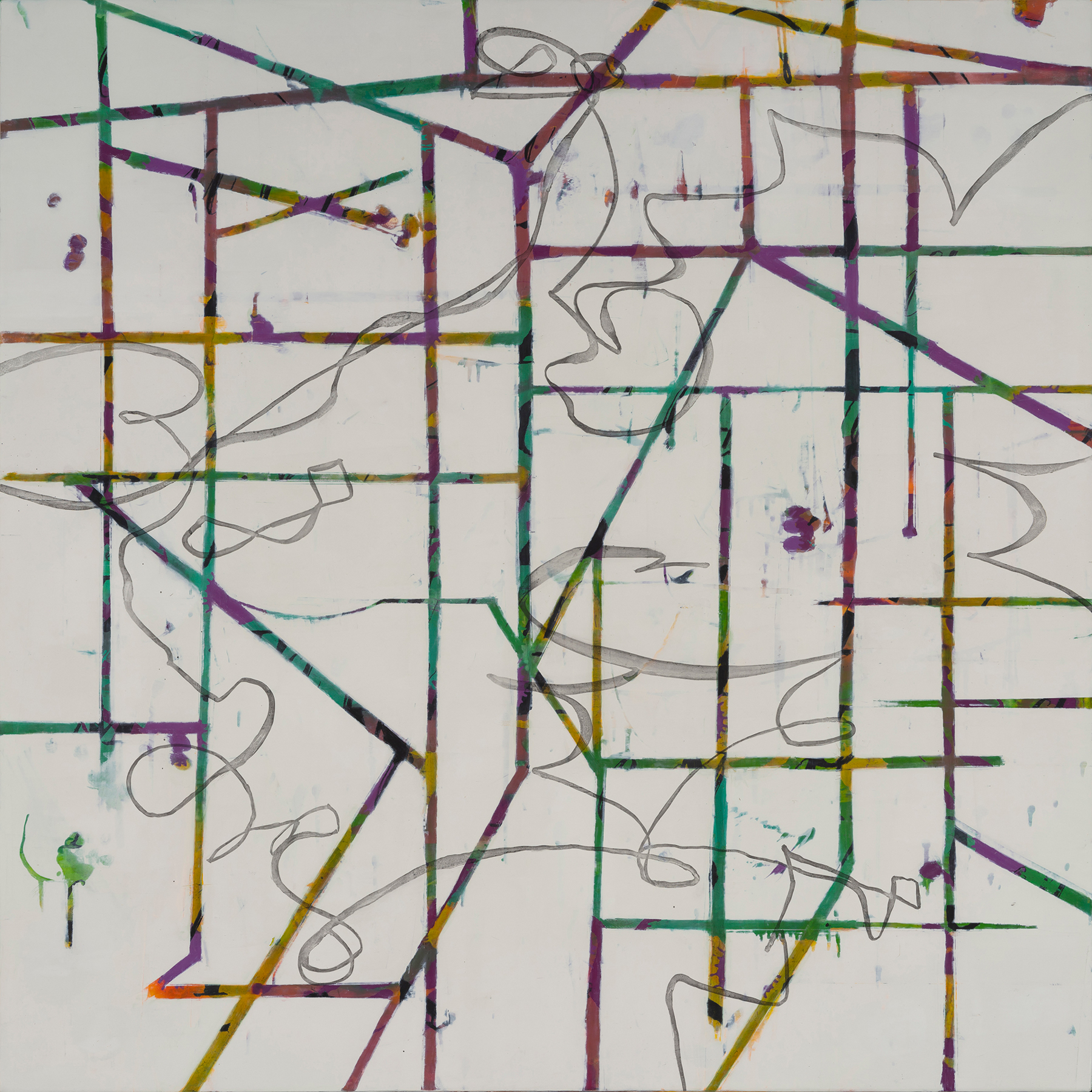
Swerve, 40 x 40 inches
2024, oil on canvas
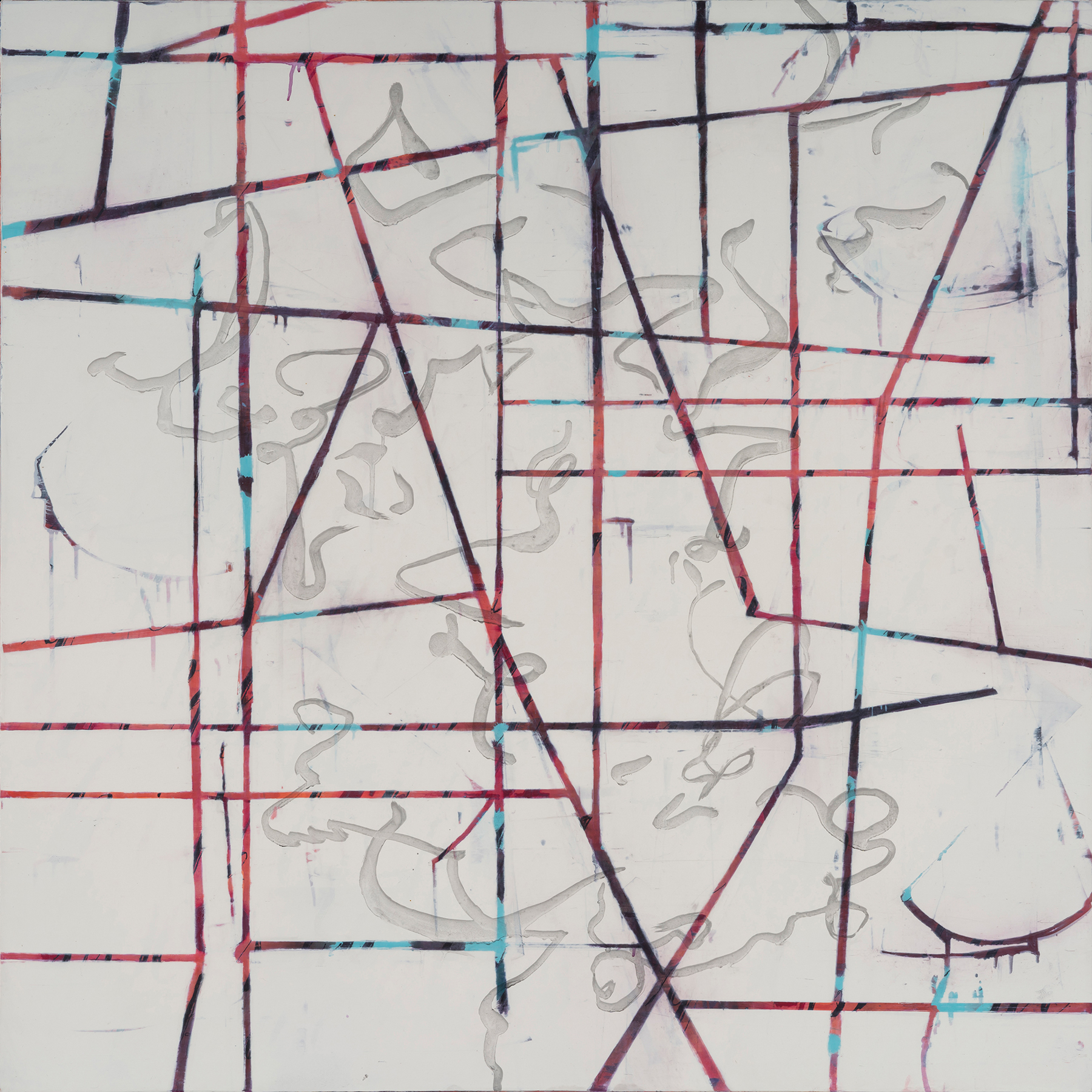
Metronomic, 40 x 40 inches
2024, oil on canvas. Private collection.
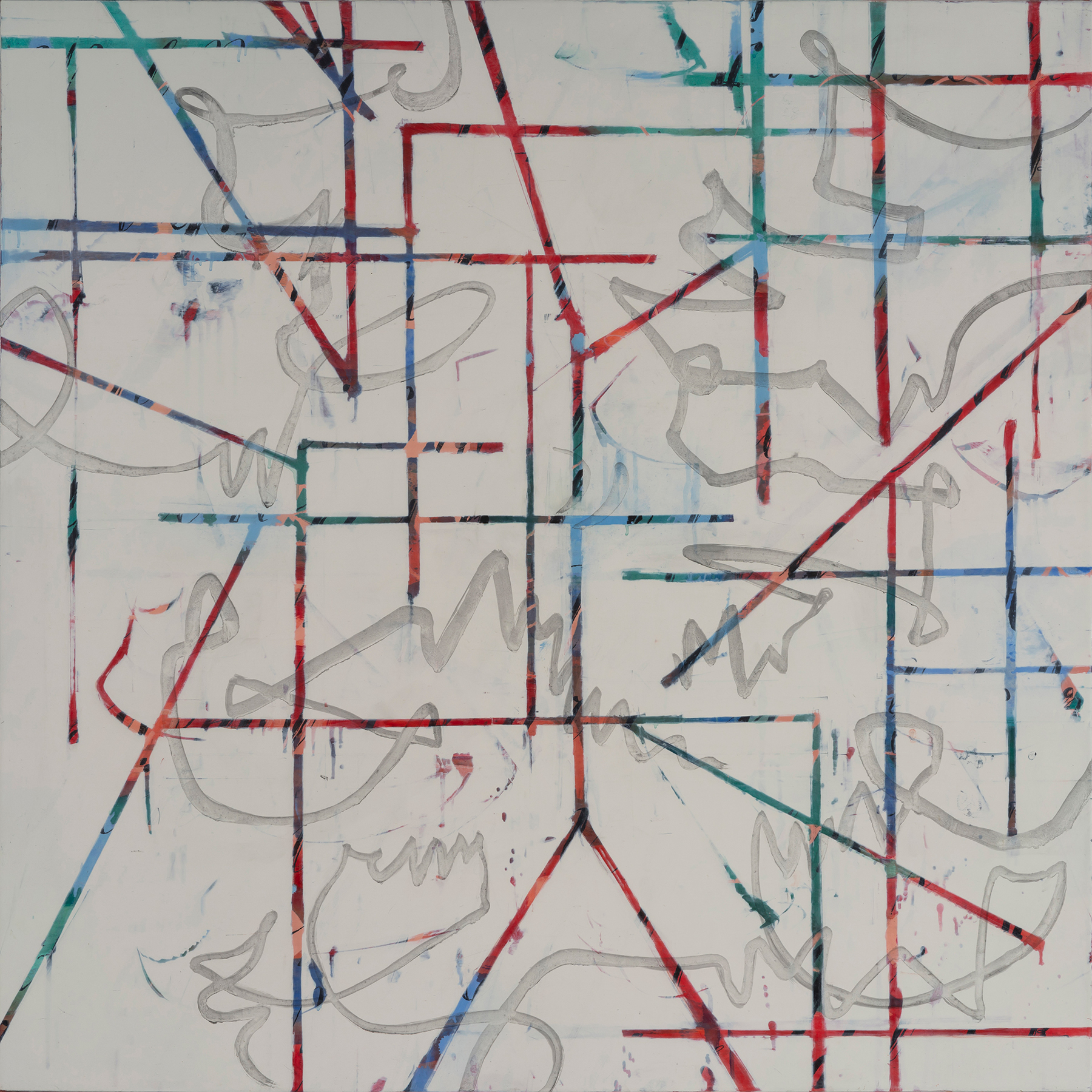
White Hot, 40 x 40 inches
2024, oil on canvas